
So, it has been a while since I’ve posted anything. Most of that is due to the insane baseball schedule my 15 year old son has had. Since May 31st, he has played 24 games (that’s 24 games in 21 days). While it’s been a ton of fun watching him and his team, it’s also meant a ton of time in the car and at baseball diamonds.
One of the things my son prides himself on is his hitting. He is the definition of a “free swinger” and that most times turns into something productive for his team. Last week, he went into a bit of a slump and got frustrated. The more frustrated he got, the more he struggled. You could tell he was trying so hard to get a hit that he stopped doing the basic things well – things like keeping his eye on the ball all the way to the bat. The harder he tried, the more his head turned on his swing. To help him out, we went back to basics and refocused on his mechanics – the basics of his swing. In fact, for the next couple of games, he changed his focus from trying to hit the ball, to just making sure his mechanics were right.
You know what happened? The first game, he didn’t get a hit, but he had two really good swings that resulted in foul balls. Those two foul balls then led to a hit in the next game and finally he nearly hit for the cycle (Single, Double and 2 Triples). The simple act of changing his focus from production at all costs to focusing on the basics and incremental improvements got him to his goal.
I think product folks could learn from this as well. I know I’ve been in situations where there is a ton of pressure to deliver and as a result everyone starts looking for ways to deliver faster or do more. As a result, people start to take shortcuts or get so focused on getting from one task to another in the hopes that you’ll get things done faster. Instead of getting things done faster though, everything seems to get harder, so they look for more ways to get faster and all of a sudden you’re in “hell”. Basically, they’ve taken their eye off the ball (getting the benefits of the delivery vs. just getting something done).
When I catch myself or my team in these types of situations, I know it’s time to get back to basics. I do a full-stop on whatever I’m doing and force myself to “focus on my mechanics”. Sometimes, that can mean looking at what I’m spending my time on and eliminating anything that isn’t value-added, but it can also mean going back and redoing the foundational things like an Opportunity Canvas or even Pragmatic Institute’s One Page Positioning document (mediafiles.pragmaticmarketing.com).
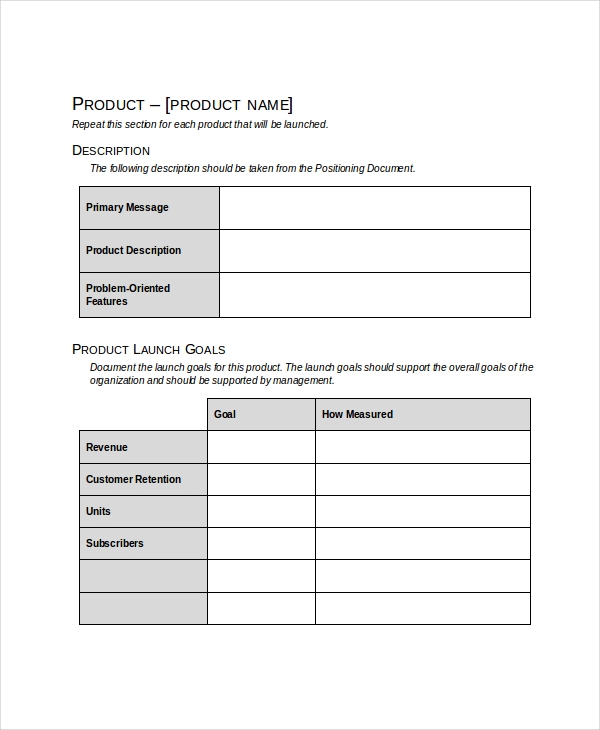
It never fails to help me get back on track and get the team working efficiently.
So, the next time you catch yourself “Too busy to think.” – STOP. Go back to the basics and change your focus. You’ll be surprised how clear everything gets when you get your eyes back on the ball.
 Dumb Analogy Guy